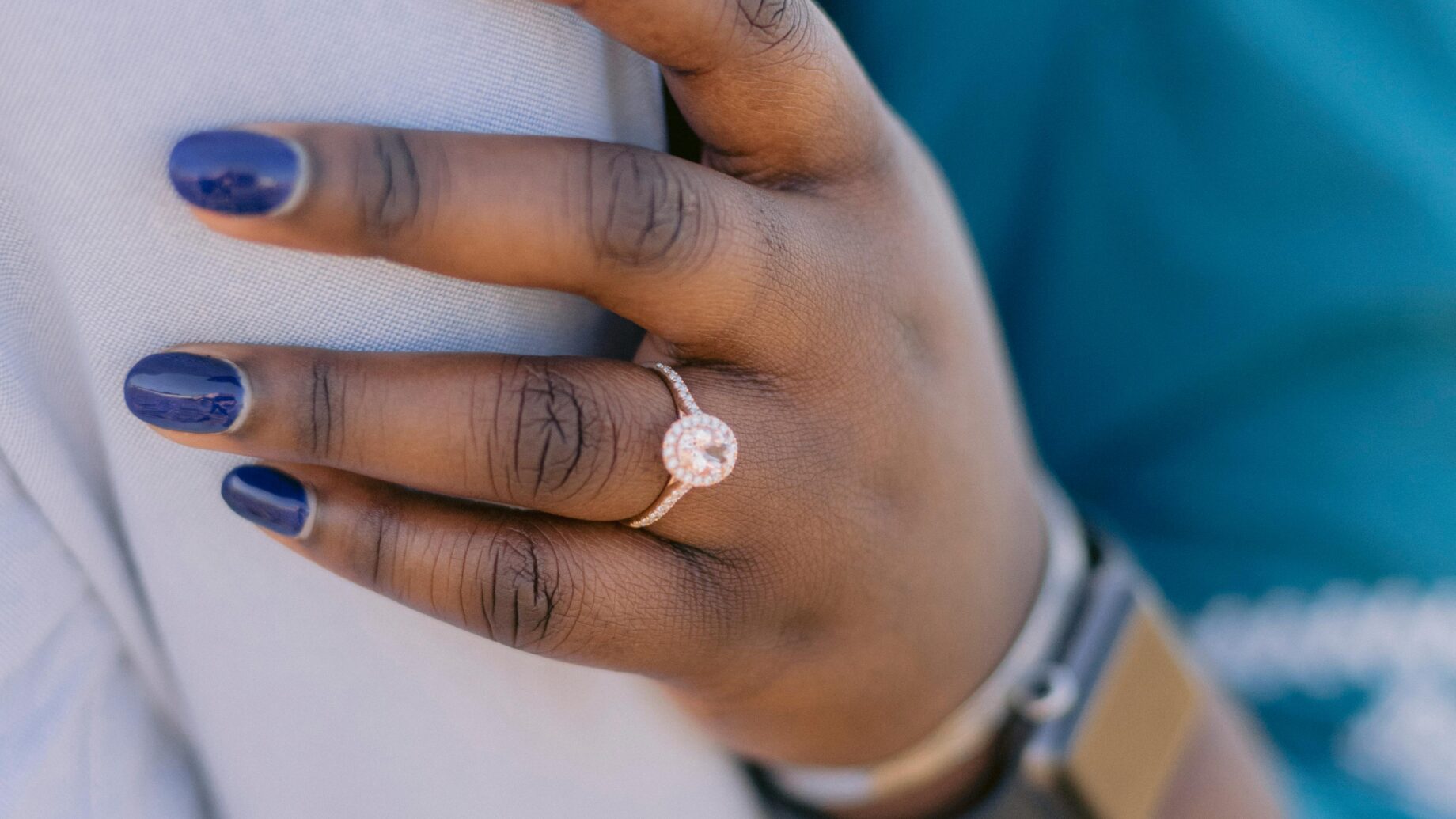
Understanding engagement ring styles and settings is the key to choosing a ring that looks beautiful, wears well and reflects real personality. The setting is the engineering that holds the stone; the style is the overall aesthetic it creates. This guide explains both, compares the main settings and diamond shapes, and helps you match a design to your lifestyle.
Get the setting right and everything else follows: it shapes the sparkle, the security of the stone, the comfort on the finger and the band that will eventually sit beside it.
Styles vs Settings: What’s the Difference?
A setting is the method used to secure the centre stone — prongs, a bezel, a channel and so on. A style is the resulting look, such as a solitaire, halo or vintage ring. One style can use several settings, which is why the two terms are so often confused.
In short: choose the setting for security and sparkle, and the style for the story you want the ring to tell.
The Main Engagement Ring Settings Explained
The setting is the single biggest influence on how a ring looks and lasts. The table below compares the most common options.
| Setting | How it works | Best for |
|---|---|---|
| Prong (claw) | Three to six metal claws lift and grip the stone | Maximum light and a classic look |
| Bezel | A metal rim encircles the stone fully or partly | Active lifestyles and a modern profile |
| Halo | A ring of small diamonds surrounds the centre | Added size and sparkle |
| Pavé | Tiny diamonds set along the band | Extra brilliance and a glamorous finish |
| Channel | Stones set between two metal walls | Smooth, snag-free bands |
| Cathedral | Arches of metal sweep up to the stone | Height, elegance and a vintage feel |
| Tension | The band’s pressure appears to hold the stone | A contemporary, minimalist statement |
| Three-stone | A trilogy of stones across the band | Symbolic, balanced brilliance |
| Cluster | Many small stones grouped to read as one | A larger look on a smaller budget |
Prong settings remain the most popular because they expose the stone to the most light. Bezels, by contrast, trade a little sparkle for security — a sensible choice for hands-on routines.
Popular Engagement Ring Styles
Where settings are technical, styles are emotional. The solitaire is the enduring favourite for its purity; the halo amplifies presence; the three-stone carries meaning; vintage and Art Deco styles bring milgrain and geometry; and the toi et moi places two stones side by side for a deeply personal design. Our edit of the best engagement rings in 2026 shows how these styles are being interpreted this year.
Diamond Shapes and How They Change the Look
The shape of the centre stone works hand in hand with the setting. Some shapes maximise sparkle, others maximise apparent size.
| Shape | Character |
|---|---|
| Round brilliant | The most brilliant and timeless shape |
| Oval | Elongates the finger and looks larger per carat |
| Princess | A sharp, modern square with strong sparkle |
| Cushion | A soft, romantic square with rounded corners |
| Emerald | Step-cut elegance with long, mirror-like facets |
| Pear | A teardrop blending round and marquise |
| Marquise | A long, pointed shape that maximises size |
| Radiant | A square or rectangle with brilliant-cut fire |
Choosing the Right Setting for Your Lifestyle
Lifestyle should guide the final choice as much as taste.
- Hands-on or active: a bezel or low-profile setting protects the stone.
- Maximum sparkle: a prong or pavé setting lets in the most light.
- Vintage character: cathedral or milgrain detailing adds heritage.
- Easy pairing later: a higher setting leaves room for a straight wedding band.
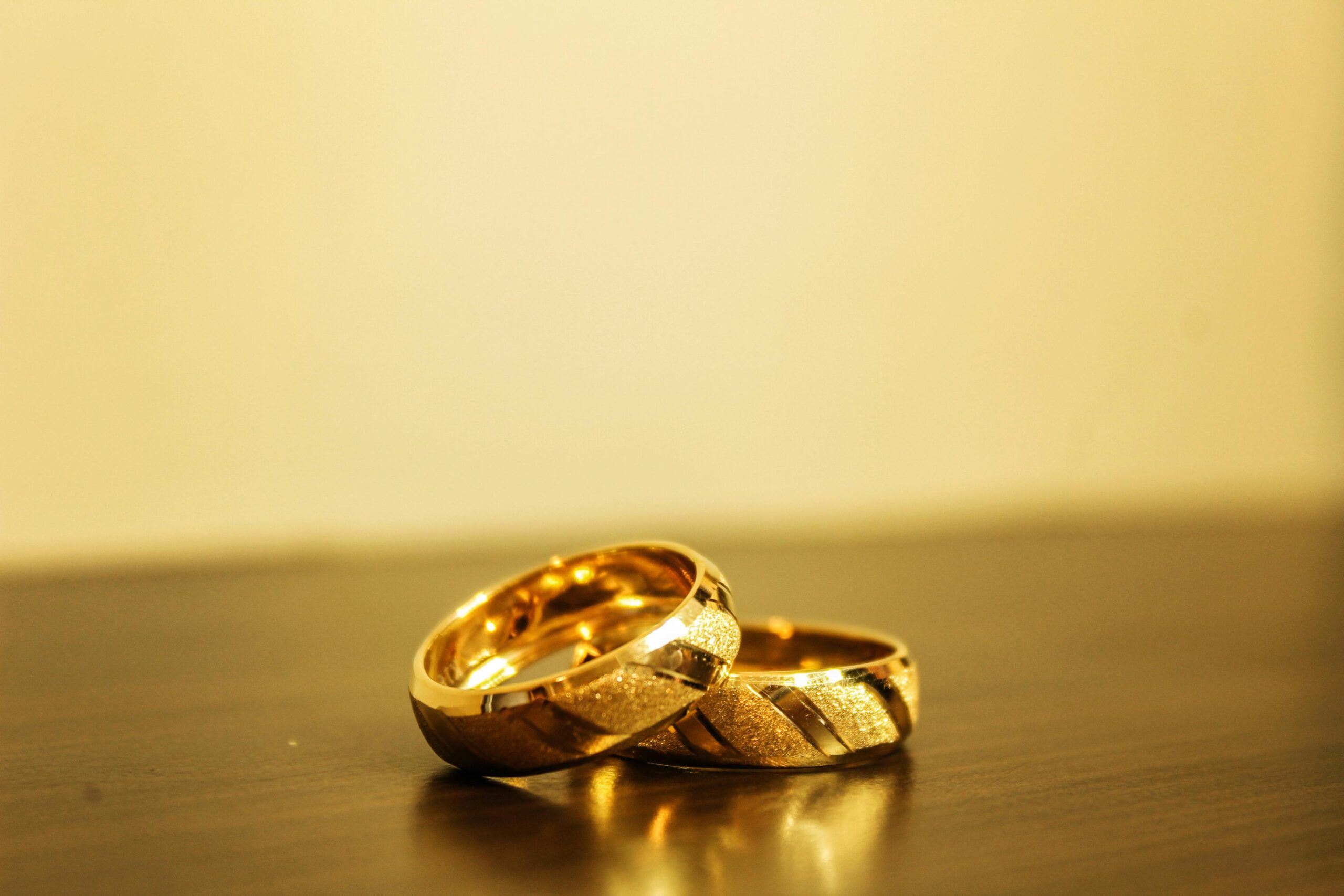
That last point matters more than most people expect. The setting you choose now decides how easily a band will sit flush against the ring later — our guide on how to match a wedding band with an engagement ring explains the profiles that work together.
Frequently Asked Questions
What is the most secure engagement ring setting?
The bezel is generally the most secure, because a continuous metal rim protects the stone’s girdle from knocks. Channel and flush settings are also highly protective.
Which setting makes a diamond look bigger?
A halo setting creates the greatest illusion of size by surrounding the centre stone with smaller diamonds. Elongated shapes such as oval and marquise also appear larger per carat.
What is the difference between a ring style and a setting?
The setting is how the stone is physically held; the style is the overall design it produces. A solitaire style, for instance, usually relies on a prong setting.
Finding Your Perfect Design
Engagement ring styles and settings are two sides of the same decision: the setting secures and illuminates the stone, while the style gives the ring its character. Start from your lifestyle, choose a setting that protects and flatters the stone, then let the style express your taste.
For inspiration, browse the best engagement rings in 2026, and once you have chosen, plan ahead with our guide on how to match a wedding band with an engagement ring.
